
« A honey born from the living lands of the African Great Rift. »
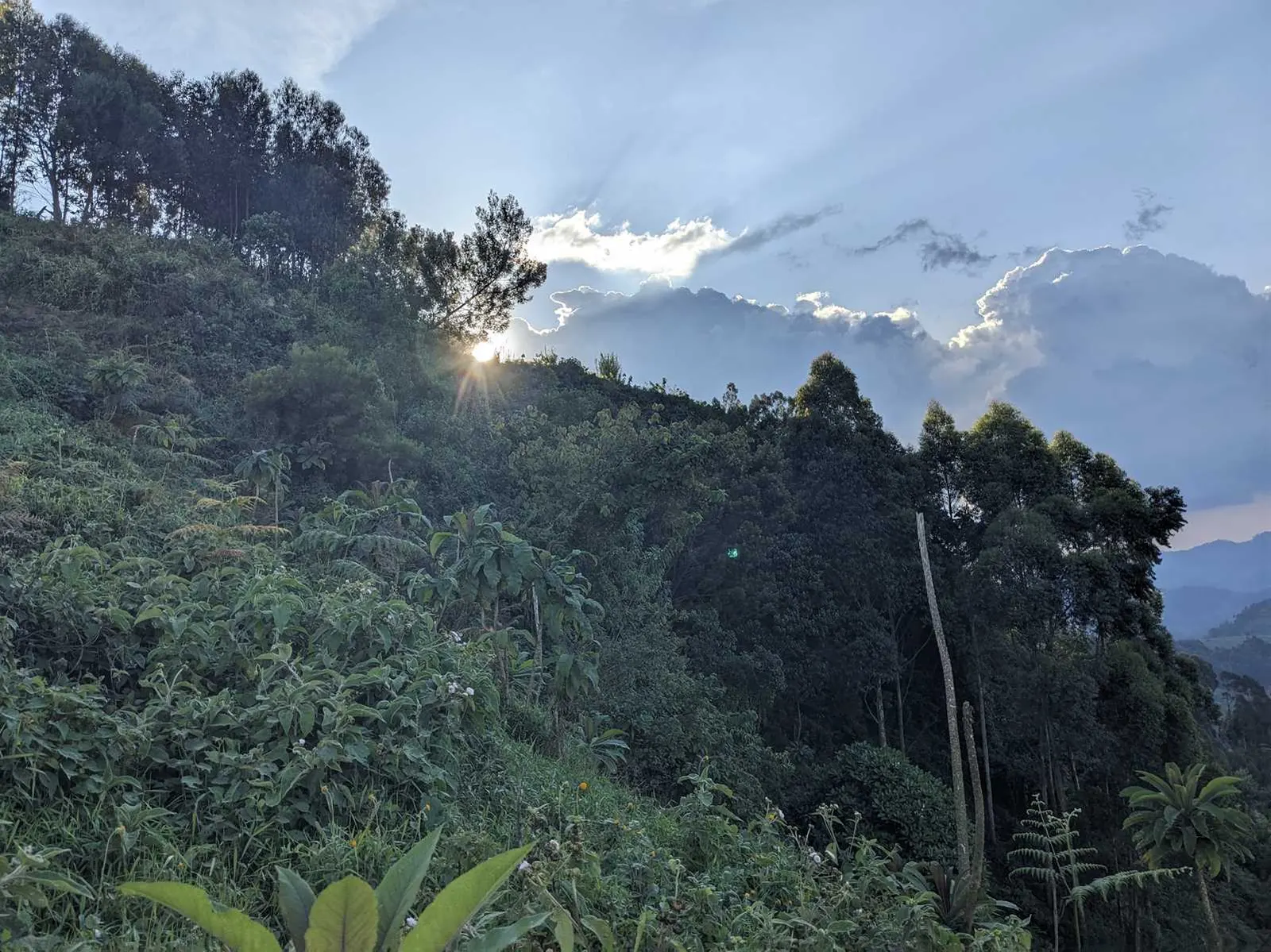
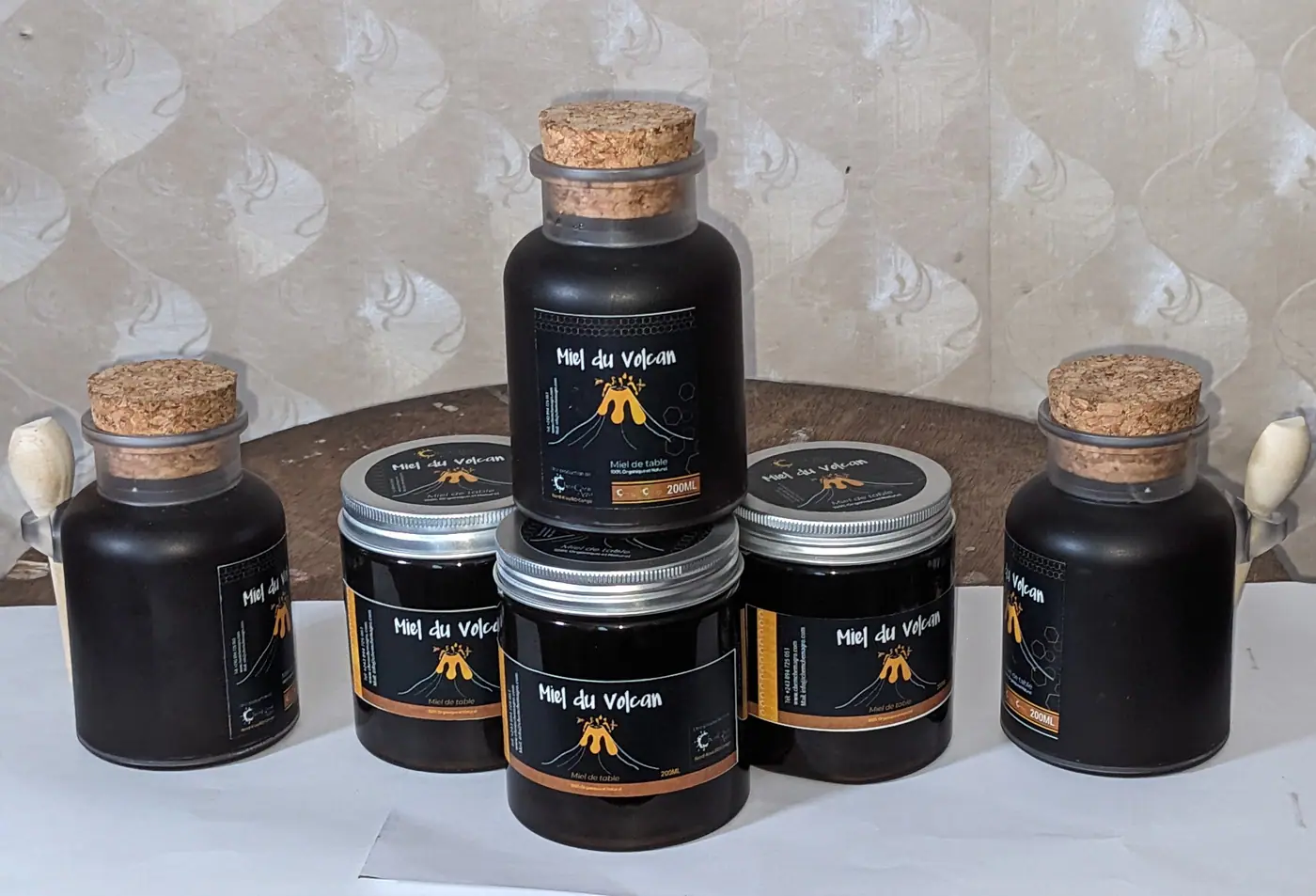
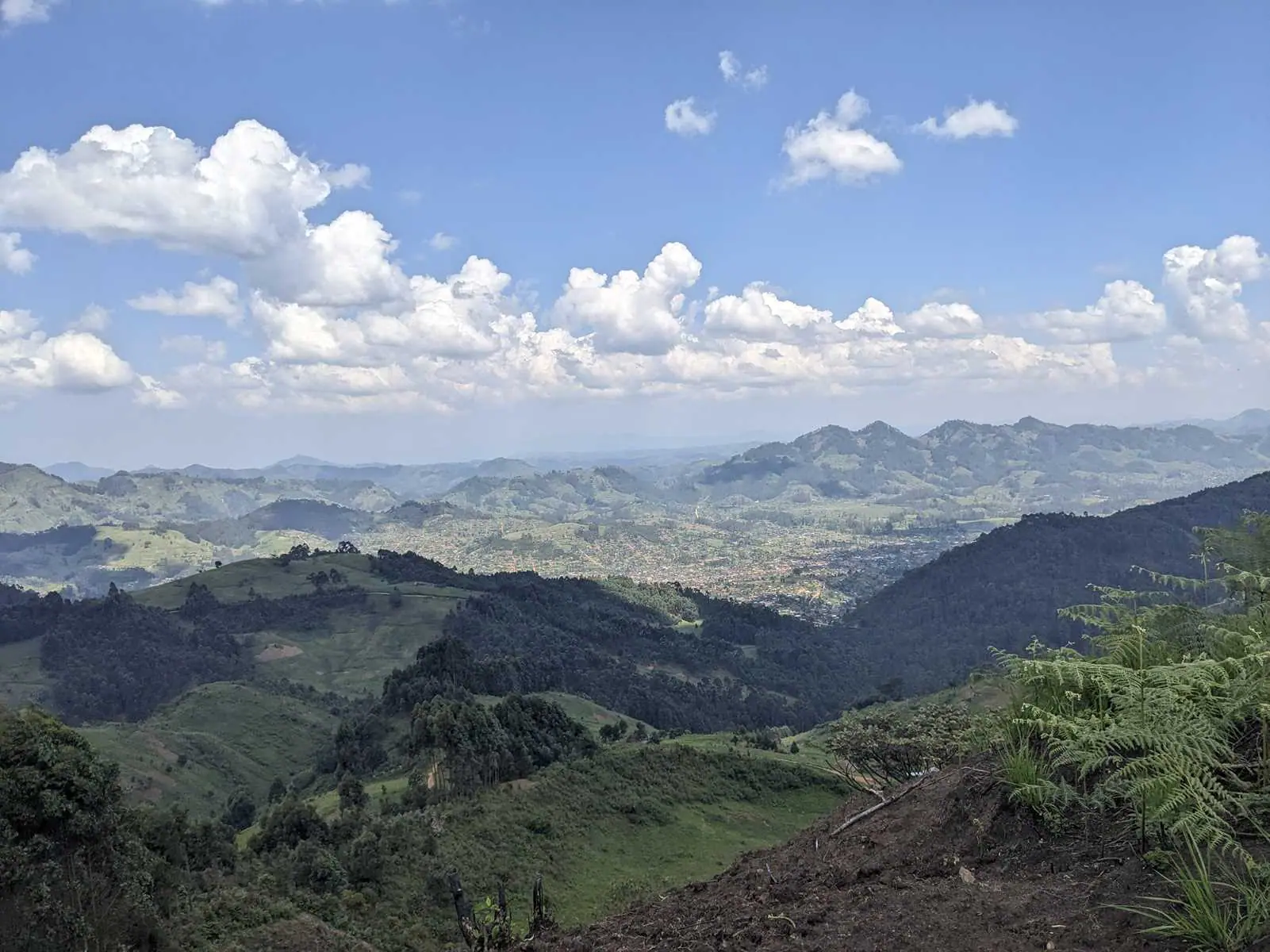
At the heart of the volcanic landscapes of the eastern Democratic Republic of Congo, Miel du Volcan expresses the richness of a territory shaped by volcanoes, biodiversity, and wild flowers.
Our story
A story born between volcanoes and biodiversity
Born in a territory where volcanoes, lakes, mountains, and biodiversity meet, Miel du Volcan carries the identity of an exceptional terroir.
Each harvest tells a story of nature, bees, and communities.
The African Great Rift
A pan-African source of inspiration
The African Great Rift evokes:
- the power of nature
- ancient and living lands
- majestic landscapes
- exceptional biodiversity
- a connection between several African territories
Our territory
An identity inspired by iconic landscapes
- Virunga MountainsDR Congo, Rwanda, Uganda
- NyiragongoDR Congo
- Lake KivuDR Congo, Rwanda
- Lake TanganyikaDR Congo, Tanzania, Burundi, Zambia
- KilimanjaroTanzania
- SerengetiTanzania
These landscapes nurture the brand's imagination and reinforce its pan-African dimension.
More than just a product
Miel du Volcan tells a story
Each jar connects:
Quality
A commitment to quality
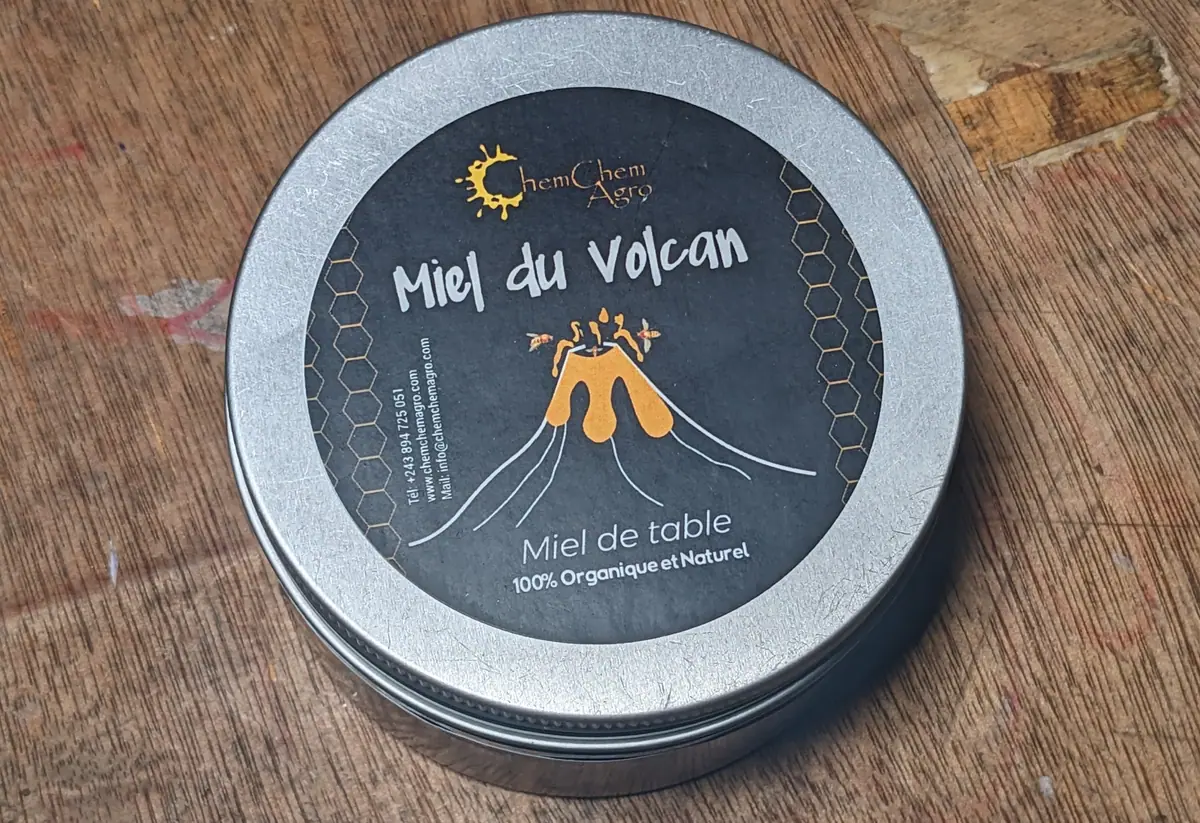
ChemChemAgro markets its honey under the Miel du Volcan brand and places quality at the heart of the brand.
Each jar is associated with a production and enhancement process that respects pollinators and their environment. The communities that harvest this honey are trained in sustainable harvesting by ChemChemAgro.
Traceability
Know the story of your honey
Our traceability process documents the journey of the honey, from the apiary to the consumer. Depending on available data, the system links:
- Apiary
- Location
- Harvest
- Production
- Packaging
- Commercialization
Impact
A brand that contributes to sustainable beekeeping
Miel du Volcan highlights the work of beekeepers while protecting pollinators and natural resources.
Ambition
Promoting a brand born in the heart of the Great Rift
Making Miel du Volcan an African brand recognized for its authenticity, territorial identity, quality, and commitment to communities and biodiversity.
Shop
Discover our products
Miel du Volcan, beekeeping equipment, modern hives, ecological smokers, fruit and honey plants, and technological solutions.
Visit the Shop
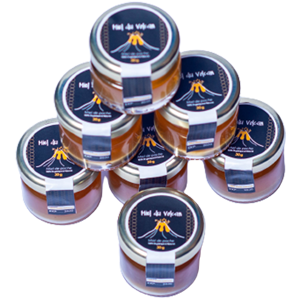
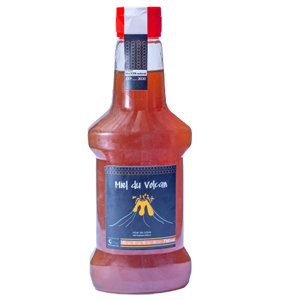
Treat yourself to one of our products and taste the true paradise of our Miel du Volcan.